You don’t need to hike into deep woods to find a stunning bird to watch. Just step outside. Or better yet, just look out your window.
The American Robin is one of the most familiar birds in North America, but that doesn’t make it boring. In fact, it’s the perfect subject for your brand-new bird-watching camera – because it’s everywhere, it’s active, and it puts on a show right on your lawn.
How to spot one (and why you’ll want to film it)
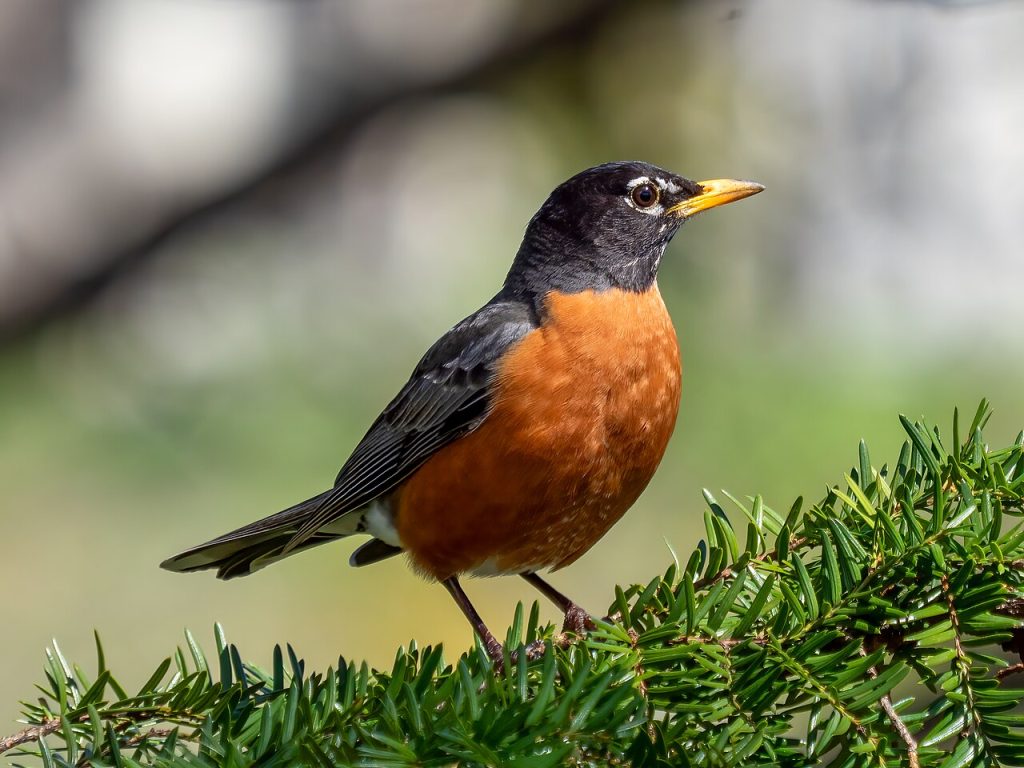
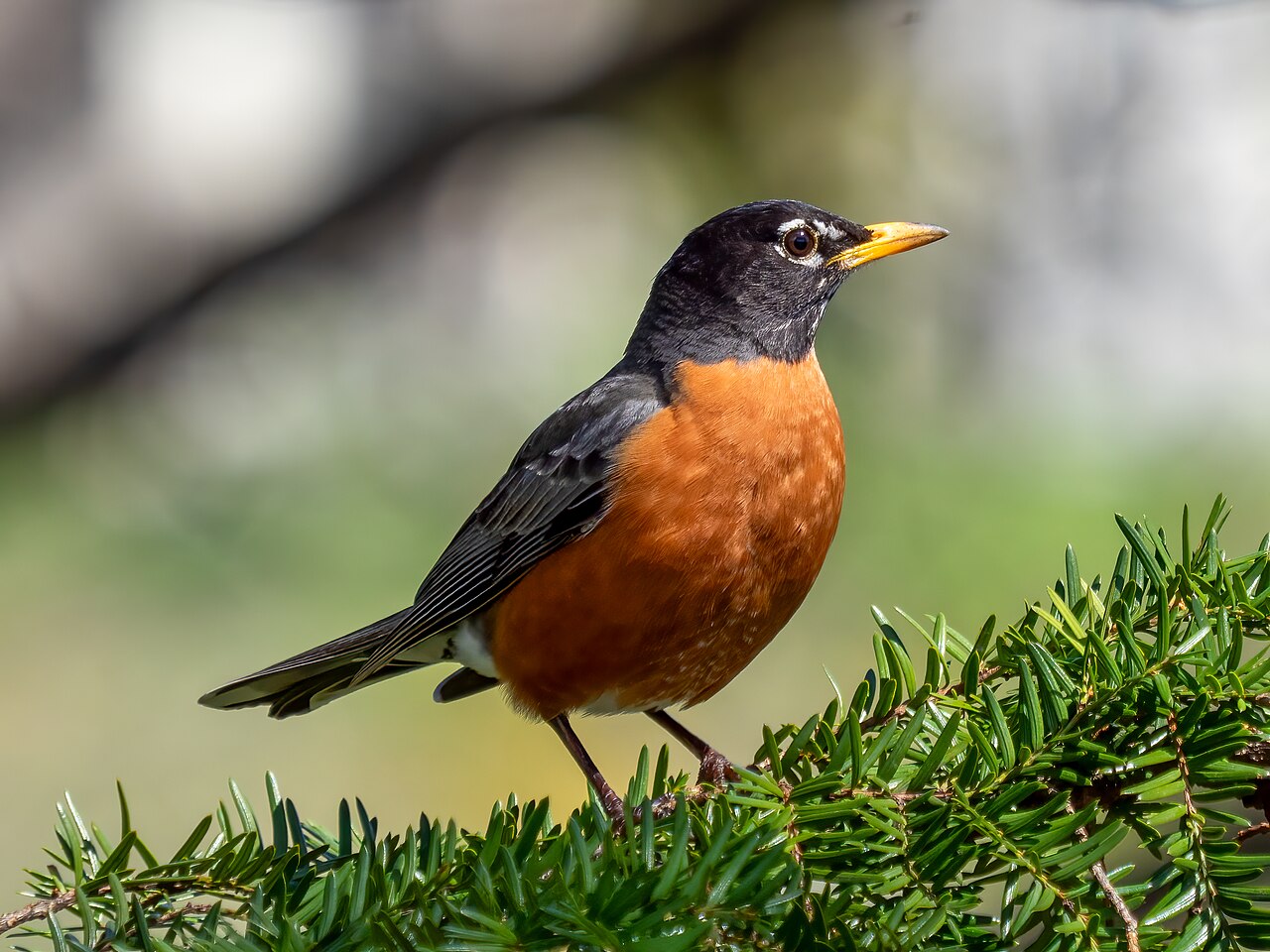
Males are striking – dark almost-black heads, bright yellow beaks, and that famous reddish-orange chest that practically glows on camera. Females are more subdued in color but still show that warm orange breast. Juveniles? They’ve got spotted chests, like they haven’t quite grown into their adult feathers yet.
Size-wise, they’re about 8 to 11 inches long with a 12- to 16-inch wingspan – bigger than a bluebird, smaller than a crow.
Three things that make robins fascinating to watch (and film)
1️⃣ They change their menu throughout the day. Morning = worms. Afternoon = berries. Watch closely and you’ll see their foraging behavior shift like clockwork.
2️⃣ Your lawn is their dining room. That means they’re always in plain sight, pulling earthworms right out of your grass – a perfect close-up moment for your camera.
3️⃣ They’re nature’s pollution indicators. Because they feed on lawns, robins are sensitive to pesticides. If they’re thriving in your yard, that’s a good sign. If they’re not, it might be time to ask what’s on your grass.
So next time you see a robin doing that signature head-tilt on your lawn – it’s not just cute. It’s a living, breathing environmental check, happening right in your own backyard.
And with a bird-watching camera, you can capture every tug, every tilt, and every berry bite – without even opening your door.
.jpg)